
Asparagus Fern
Asparagus setaceus
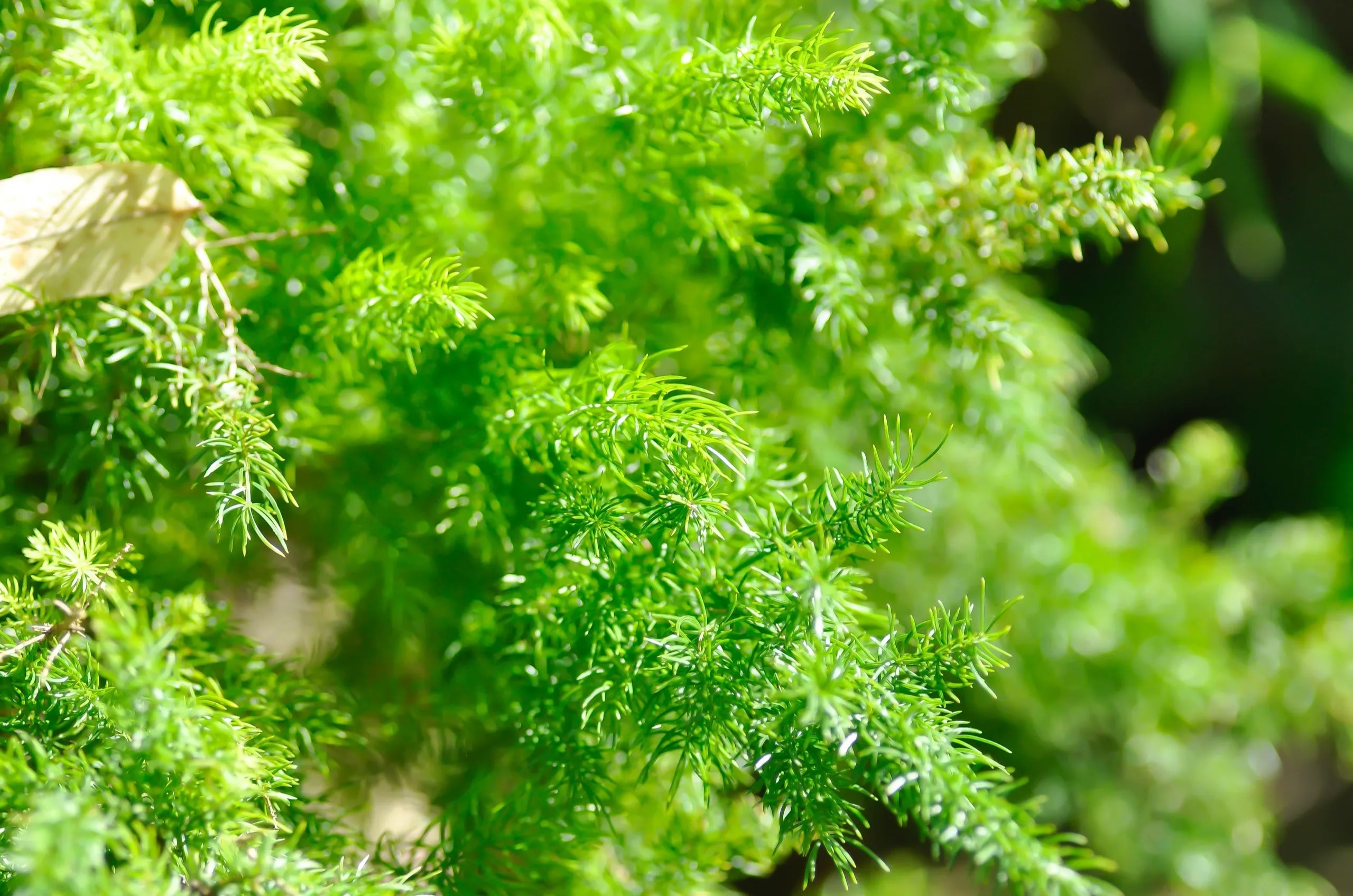
Feathery, cloud-like foliage in vivid green — a delicate-looking but surprisingly tough plant that adds airy texture to any space.
Overview
Despite its name and appearance, the Asparagus Fern is not a true fern — it is actually a member of the lily family. Its feathery, cloud-like foliage of tiny bright green needles creates an incredibly delicate, airy texture that contrasts beautifully with bold-leaved plants. It grows quickly and is surprisingly tough — tolerating a range of light conditions and occasional drought far better than its delicate appearance suggests. It is equally beautiful trailing from a hanging basket, arching from a pot, or used as a filler plant in arrangements. Small white flowers and red berries occasionally appear, adding seasonal interest.
Care Requirements
Light
Low to Bright Indirect Light — very adaptable
Water
Every 1–2 weeks — keep soil lightly moist but never waterlogged
Humidity
Moderate (40–60%) — benefits from moderate humidity
Soil
Well-draining potting mix — standard potting soil with perlite
Temperature
60–75°F (15–24°C) — prefers moderate temperatures
Fertilizer
Monthly in spring and summer with diluted balanced fertilizer; none in fall and winter
Detailed Care Guide
Light
- Thrives in medium to bright indirect light — the most lush growth occurs with good light
- Tolerates low light but growth slows and the foliage becomes less dense
- Avoid harsh direct afternoon sun which can scorch and yellow the foliage
- Morning sun (1–2 hours) is beneficial and encourages denser growth
Watering
- Water every 1–2 weeks — keep soil lightly moist but allow the top inch to dry between waterings
- More drought-tolerant than true ferns — the tuberous roots store water
- Overwatering causes yellowing and root rot — ensure good drainage
- Reduce watering in winter
Soil
- Use a standard potting mix with 20% perlite for drainage
- Avoid very heavy, moisture-retaining soils
- Slightly acidic pH (6.0–6.5) is ideal
- Repot annually in spring — the tuberous roots fill pots quickly
Temperature & Humidity
- Thrives in consistent temperatures between 60–75°F
- Avoid temperatures below 50°F and hot, dry conditions
- Benefits from moderate humidity — mist occasionally or use a pebble tray
- More tolerant of average household humidity than true ferns
Difficulty Level
Easy — more forgiving than its delicate appearance suggests. Tolerates a range of light conditions and occasional drought. The main requirement is moderate humidity and consistent (not excessive) moisture. A great choice for adding fine texture without demanding care.
Extra Notes
Toxic — the red berries that occasionally appear are toxic to cats, dogs, and humans if ingested. The sap can also cause skin irritation with repeated contact. Keep away from pets and children, especially when berries are present. Despite the name, it is not related to edible asparagus.
Pro Tip
Asparagus Fern grows very quickly and the tuberous roots fill pots fast — check annually and repot in spring if the roots are circling the bottom or pushing out of drainage holes. A rootbound Asparagus Fern yellows and drops needles rapidly. Annual repotting keeps it lush and healthy.
New to this plant?
Just Received This Plant?
If you just received a cutting or node: pot into a well-draining mix and place in medium indirect light. Keep consistently lightly moist. Roots establish in 3–4 weeks. Avoid fertilizing for 6 weeks.
If you just received a potted plant: place in medium indirect light and check the soil. Water if the top inch is dry. Do not fertilize for 6 weeks. Some needle drop during acclimation is normal — new growth will follow once the plant settles.
Basic Care Instructions
Place in low to bright indirect light, water every 1–2 weeks keeping soil lightly moist, and maintain moderate humidity. Fertilize monthly in spring and summer. Repot annually in spring.
Propagation
Propagate by division when repotting — carefully divide the tuberous root ball into sections with healthy stems and pot individually. Seeds are also possible but slow. Division is the most reliable method for home growers.
Common Problems & Fixes
Yellowing, dropping needles
Usually caused by low humidity, underwatering, or too much direct sun. Increase humidity, ensure consistent moisture, and move away from harsh direct light. Some needle drop is normal in winter.
Pale yellow foliage overall
Usually overwatering or insufficient fertilizer. Allow soil to dry out more between waterings and feed monthly with diluted balanced fertilizer during the growing season.
Stems becoming very dense and tangled
The plant is rootbound and needs repotting. Repot into a slightly larger pot with fresh soil in spring. You can also divide the plant at this point to create new plants.
Want to Add This to Your Collection?
Shop Asparagus Fern and more live on Whatnot — new drops every week.