
Boston Sword Fern
Nephrolepis exaltata
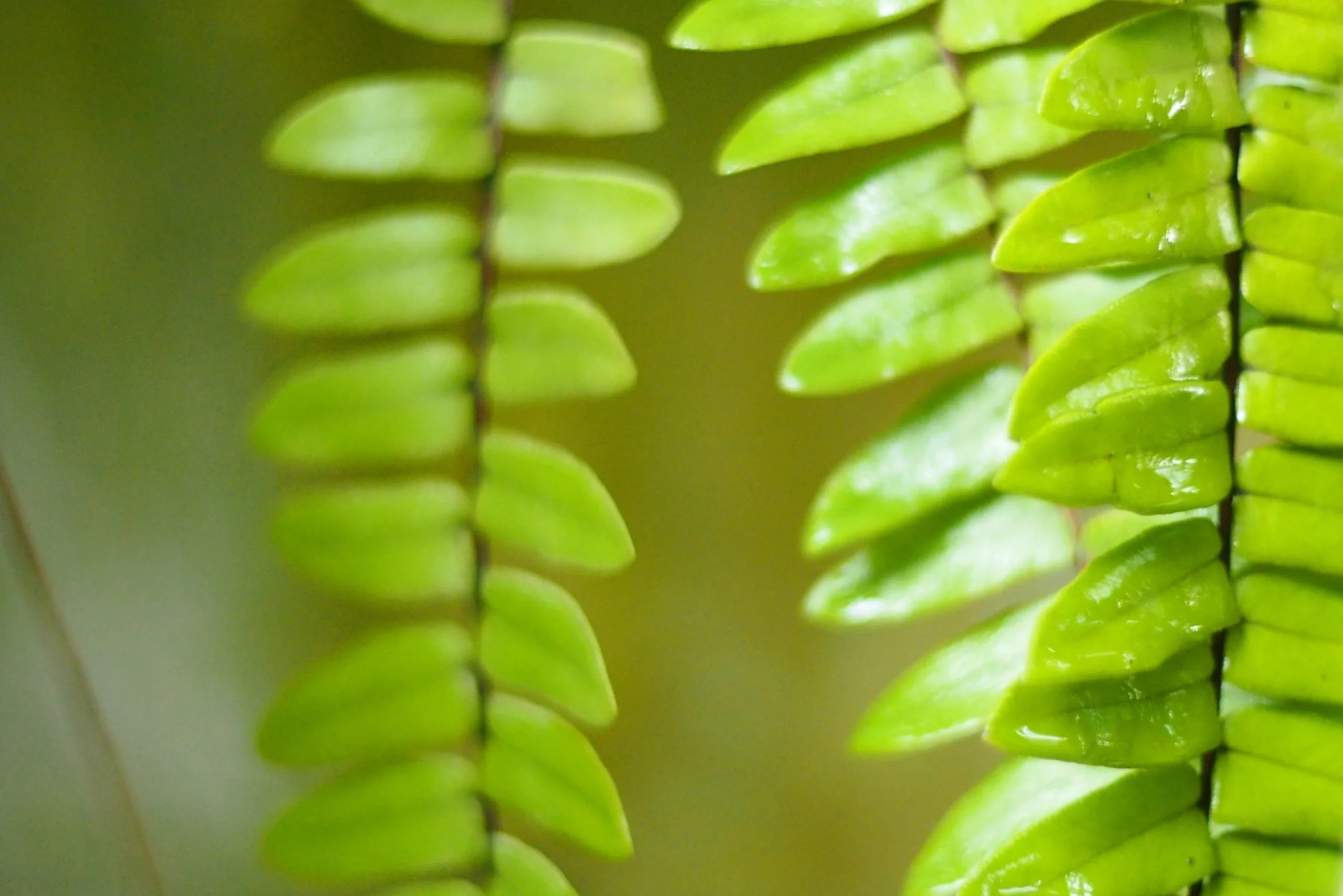
Lush, arching fronds in vibrant green — a classic, dramatic fern that thrives in humidity and rewards consistent care.
Overview
The Boston Sword Fern (Nephrolepis exaltata) is one of the most popular and recognizable houseplants in the world, with long, arching fronds of bright green leaflets that create a full, dramatic display. It has been a staple of Victorian parlours and modern homes alike for over a century. It grows quickly in the right conditions — high humidity, consistent moisture, and indirect light — and can reach impressive sizes indoors. It is also one of the top air-purifying plants, removing formaldehyde and other toxins from indoor air. The key to success is humidity — this fern will not tolerate dry air.
Care Requirements
Light
Low to Bright Indirect Light — avoid direct sun
Water
Every 1–2 weeks — keep soil consistently moist but never waterlogged
Humidity
High (60–80%) — requires high humidity to thrive
Soil
Rich, well-draining, moisture-retentive potting mix
Temperature
60–75°F (15–24°C) — prefers cooler, consistent temperatures
Fertilizer
Monthly in spring and summer with diluted balanced fertilizer; none in fall and winter
Detailed Care Guide
Light
- Thrives in medium indirect light — bright but filtered light is ideal
- Tolerates low light but growth slows significantly
- Avoid direct sun which scorches and browns the fronds quickly
- North or east-facing windows are ideal — consistent indirect light
Watering
- Water every 1–2 weeks — keep soil consistently moist but never soggy
- Do not allow the soil to dry out completely — fronds brown and drop quickly when dry
- Water when the top inch of soil feels dry to the touch
- Reduce watering slightly in winter but never let it dry out completely
Soil
- Use a rich potting mix with good moisture retention — add peat or coco coir
- Needs to retain moisture but also drain well — avoid compacted or very sandy soils
- Slightly acidic pH (5.5–6.5) is ideal
- Repot annually in spring as this is a fast grower
Temperature & Humidity
- Prefers consistent temperatures between 60–75°F — avoid extremes
- Avoid temperatures below 50°F and hot, dry conditions
- Requires high humidity (60–80%) — this is the most critical care requirement
- Use a humidifier, pebble tray, or bathroom placement to maintain humidity
Difficulty Level
Intermediate — the main challenge is maintaining high humidity. In a humid environment (bathroom, kitchen, or with a humidifier) it is relatively easy. In dry indoor air it struggles with browning fronds and leaf drop. Consistent moisture and humidity are the keys to success.
Extra Notes
Pet safe — completely non-toxic to cats, dogs, and humans. One of the best pet-friendly ferns available. The Boston Fern is one of the top NASA-listed air-purifying plants. Humidity is the single most important factor for this plant — if you can only do one thing, get a humidifier or place it in a bathroom.
Pro Tip
Place your Boston Sword Fern in the bathroom if possible — the steam from showers provides the high humidity it craves naturally. If that is not an option, a humidifier running nearby is the next best thing. This single change makes more difference than any other care adjustment.
New to this plant?
Just Received This Plant?
If you just received a cutting or node: pot into a rich, moisture-retentive mix and place in medium indirect light. Keep consistently moist and in high humidity. Avoid fertilizing for 8 weeks while roots establish.
If you just received a potted plant: place in medium indirect light immediately — avoid direct sun. Check the soil and water if the top inch is dry. Place in a humid spot (bathroom or near a humidifier). Do not fertilize for 6 weeks. Some frond browning during acclimation is normal.
Basic Care Instructions
Place in medium indirect light, keep soil consistently moist (water every 1–2 weeks), and maintain high humidity (60–80%). Fertilize monthly in spring and summer. Repot annually in spring.
Propagation
Propagate by division when repotting — carefully separate the root ball into sections, each with healthy fronds and roots, and pot individually. Runners (stolons) can also be pinned to moist soil to root. Division is the most reliable method.
Common Problems & Fixes
Brown, crispy frond tips
Low humidity is almost always the cause. Increase humidity significantly with a humidifier or pebble tray. Move to a bathroom or kitchen where humidity is naturally higher. Trim brown tips with clean scissors.
Yellowing fronds dropping off
Usually overwatering or underwatering. Check the soil — if soggy, allow to dry out and check for root rot. If bone dry, water immediately and increase watering frequency. Consistent moisture is key.
Pale, washed-out fronds
Too much direct light or insufficient fertilizer. Move away from direct sun and feed monthly with diluted balanced fertilizer during the growing season.
Want to Add This to Your Collection?
Shop Boston Sword Fern and more live on Whatnot — new drops every week.